Kitchen Science projects
14 projects for age 11 · page 1 of 2
Projects
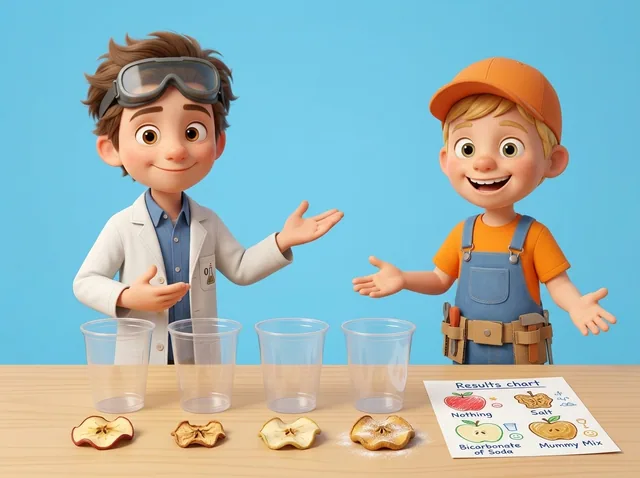
Mummified Apple Experiment
Children test how the ancient Egyptians preserved mummies by burying apple slices in salt and bicarbonate of soda for a week. The salts draw water out of the apple, and without water the things that cause rot cannot grow. It is a real fair test with measuring and recording.
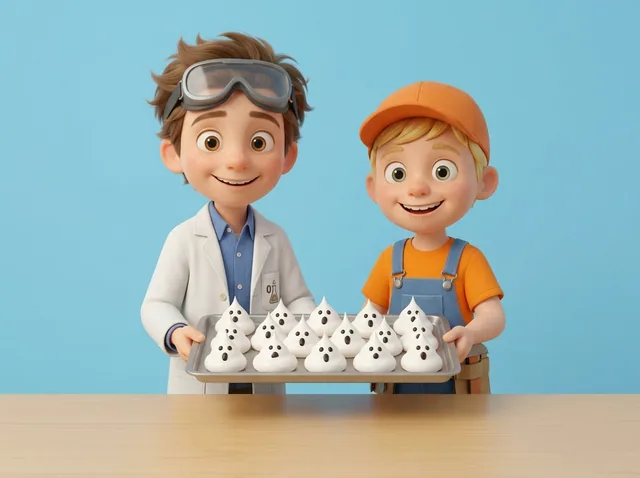
Crispy Meringue Ghosts
Whisking egg whites traps thousands of tiny air bubbles, and sugar holds them in place so the foam stands in ghostly peaks. Slow baking dries the foam into a crisp shell. Children see a liquid turn into a foam and then a solid.
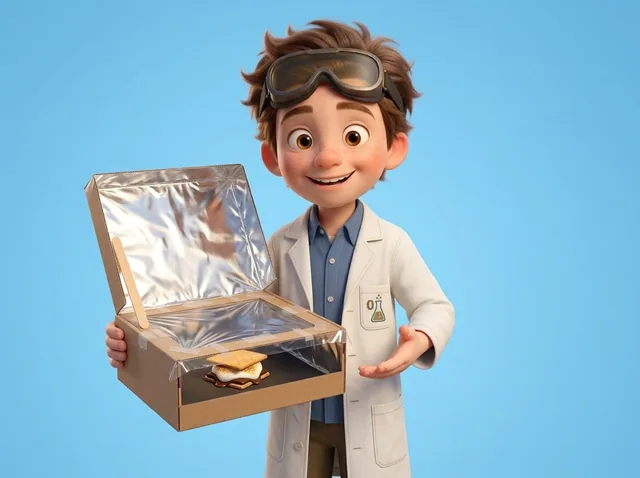
Shoebox Solar Oven
Children explore renewable solar energy and heat absorption by building a simple oven that traps light and converts it into thermal energy. This introduces fundamental thermodynamic concepts such as insulation, reflection, and radiation in a delicious, hands-on way.
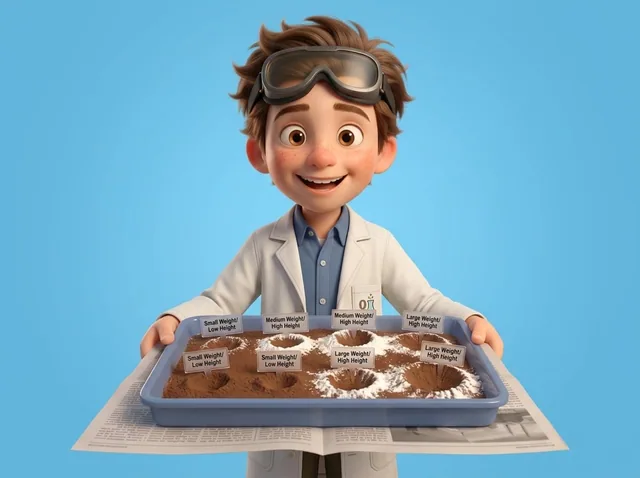
Moon-Crater Impact Tray
Dropping balls into a tray of flour shows how meteorites smashing into the Moon made its craters, and lets you test how the size and drop height of a space rock changes the crater it leaves.

Marker-Pen Tie-Dye Shirt
Watching marker ink spread through fabric with a splash of rubbing alcohol shows how liquids carry colour along fibres, making swirling firework patterns.
 🔒 Premium
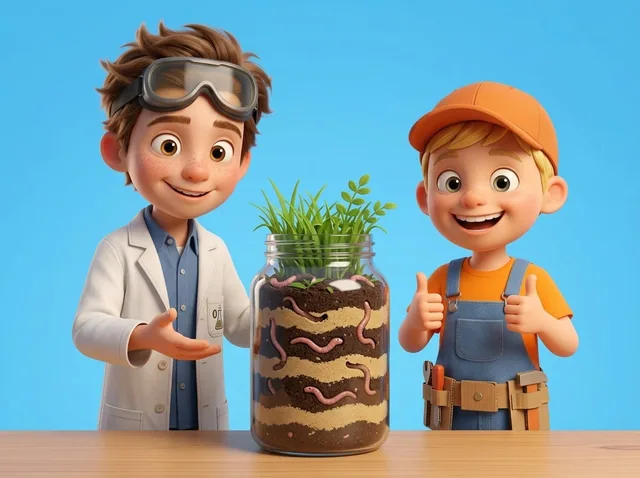
Wormery in a Jar
Worms mix and tunnel through soil — you can watch them build layers and help the garden.
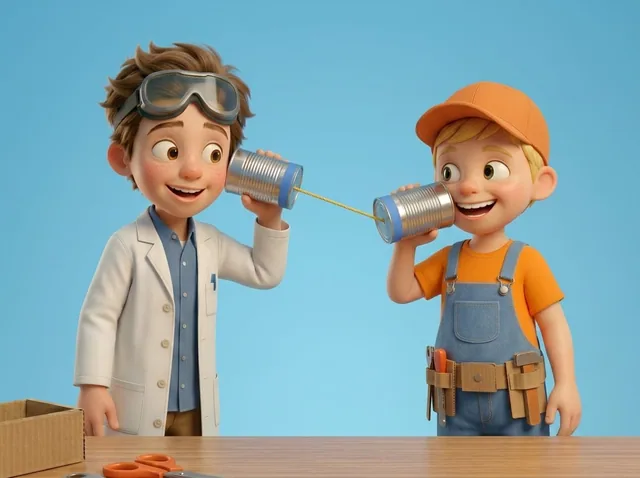
Tin-Can Telephone
Sound travels as vibrations along the tight string from one cup to the other.
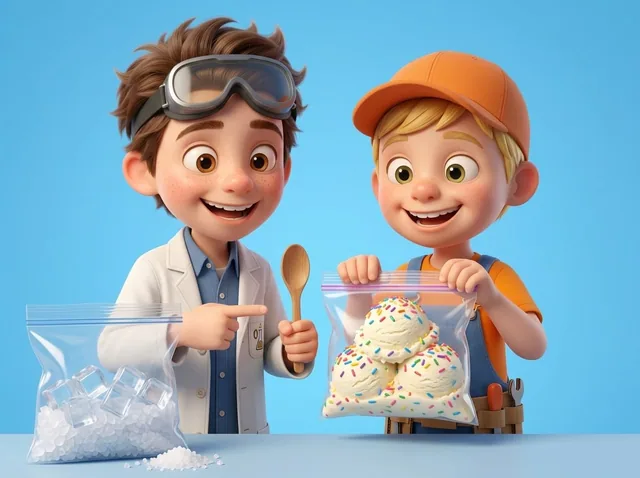
Ice Cream in a Bag
Salt makes ice melt at a colder temperature, pulling heat from the cream so it freezes.
 🔒 Premium
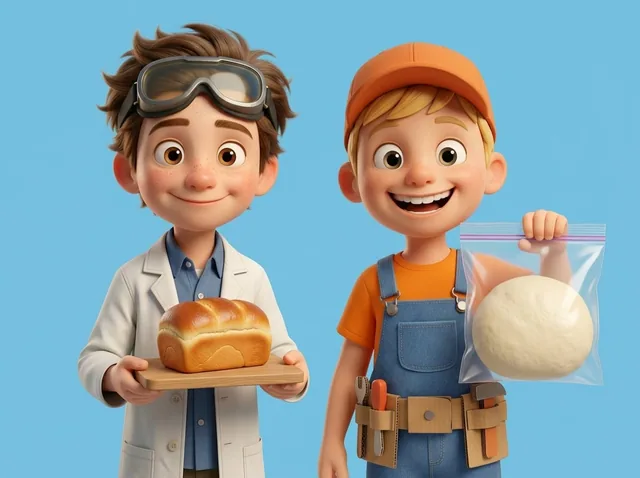
Bread in a Bag
Yeast is alive — it eats sugar and burps gas that makes the dough rise.
 🔒 Premium
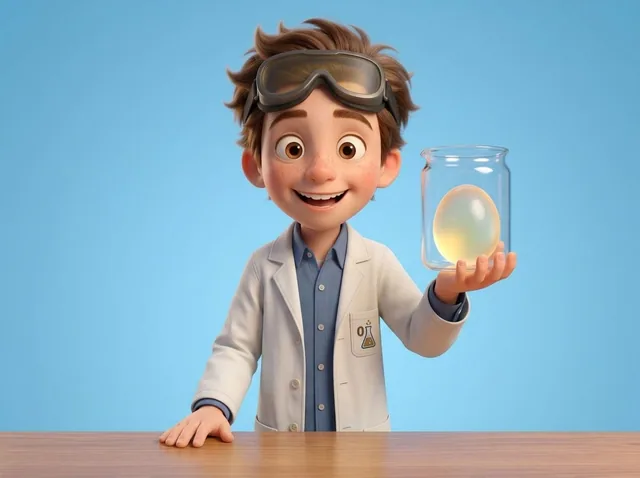
Naked (Rubber) Egg
Vinegar (an acid) dissolves the hard shell, leaving the bendy membrane - and the egg swells as water moves in (osmosis).
 🔒 Premium
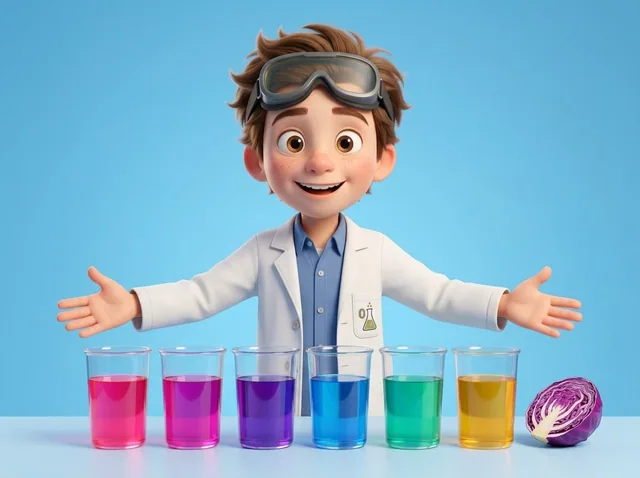
Red Cabbage Colour Changer
Red cabbage juice is a natural indicator - it turns pink in acids and blue/green in alkalis.
 🔒 Premium
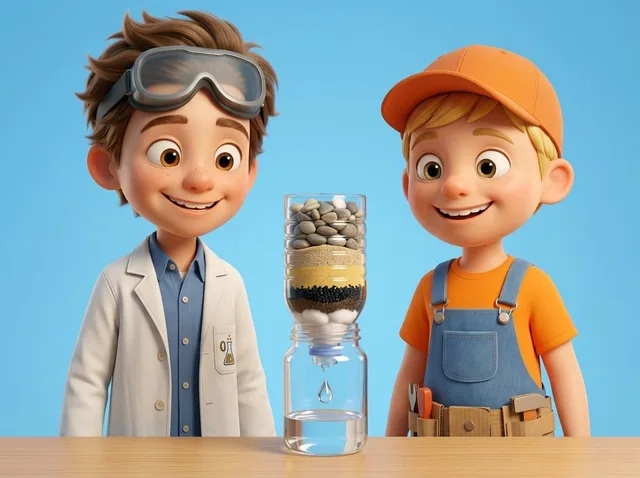
Water Filter from a Bottle
Filtering removes bits from dirty water; layers trap different sizes of dirt (but don't make it safe to drink).