Food colouring experiments and crafts
A few drops of food colouring make science visible. Watch colour climb up a stalk of celery, swirl through milk, or sit in layers in a jar. These projects use ordinary food colouring to show how liquids mix, move and travel.
7 projects to try
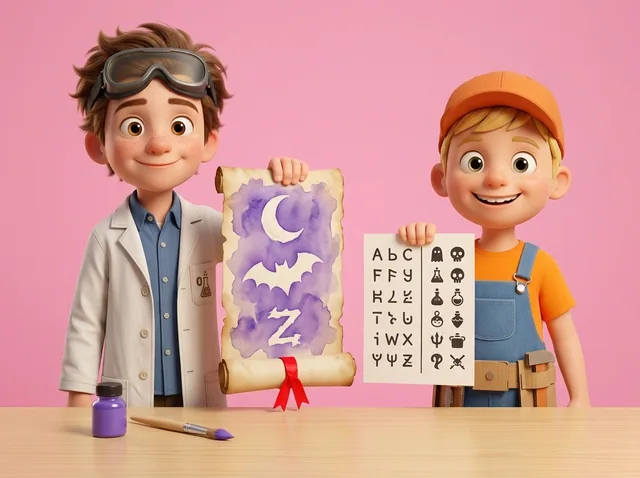
Secret Spell Scroll
Children invent a symbol code, write a hidden spell in white wax crayon and reveal it with watery paint. They learn how a substitution cipher works and why wax resists water, so the paint only soaks into the bare paper.
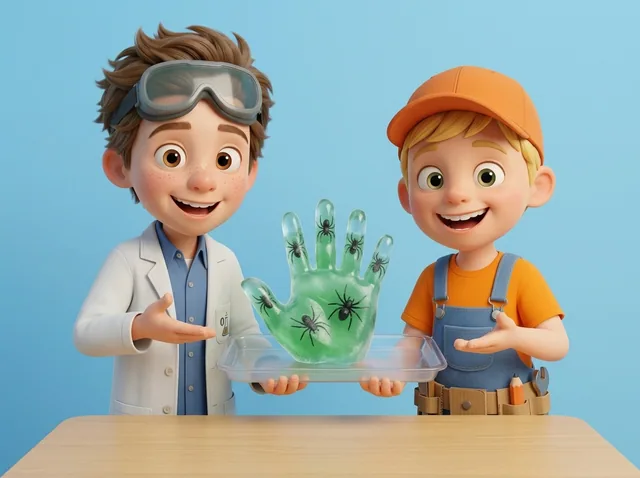
Frozen Monster Hand Rescue
Children rescue toy spiders trapped in a frozen monster hand, finding out that salt and warm water melt ice faster than cold water. It is a sensory way to explore melting, temperature and testing ideas.
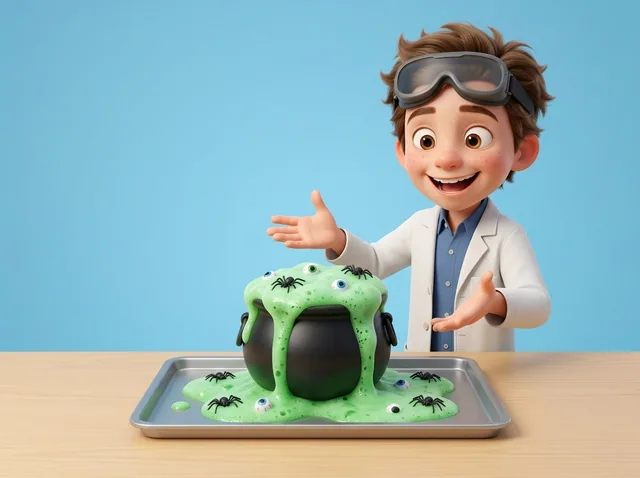
Bubbling Cauldron Potion
Mixing bicarbonate of soda with vinegar makes a gas called carbon dioxide, and a squirt of washing-up liquid traps it in bubbles so the potion foams up and over the cauldron like a witch's brew.

Threading Pasta Necklaces
Threading tube pasta onto a lace is brilliant for hand-eye coordination and patience, and lining up colours in a repeating pattern is an early step towards understanding sequences and maths.
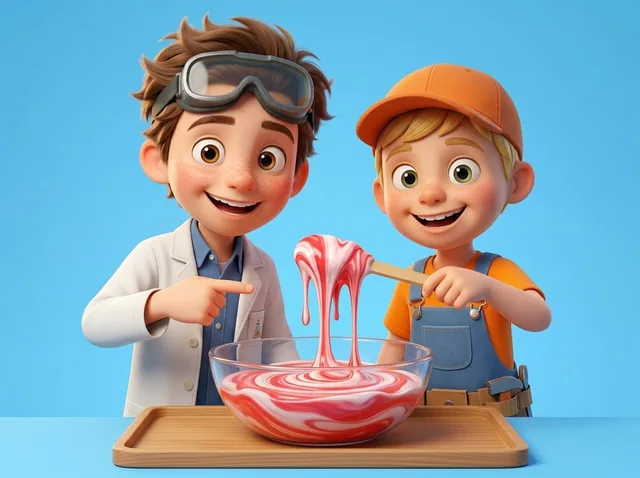
Magic Cornflour Gloop
Gloop is a wonderfully strange mixture that feels solid when you press it fast but runs like liquid when you hold it gently, giving children a first, hands-on taste of how materials can behave in surprising ways.
 🔒 Premium
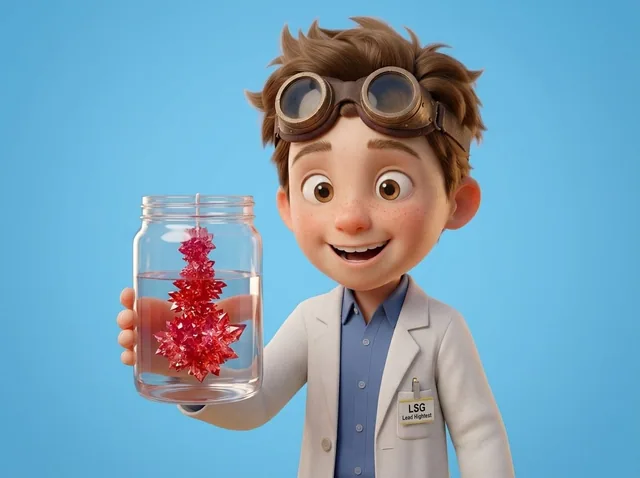
Salt or Sugar Crystal Garden
Dissolving, saturation and evaporation - crystals form as water leaves behind the salt or sugar.
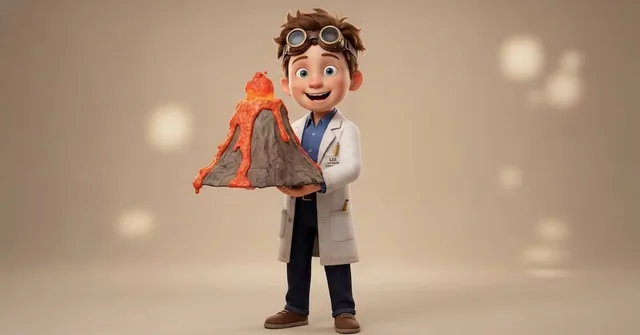
Bottle-Top Volcano
A chemical reaction: an acid (vinegar) and a base (baking soda) make carbon dioxide gas, which is the fizzy foam.