Activities and crafts for 12-year-olds
At twelve, the best projects are the open-ended ones. These activities give a solid starting point, such as a working machine, a short film, a circuit or an experiment, and then leave room to redesign, scale up and make it their own.
20 projects to try
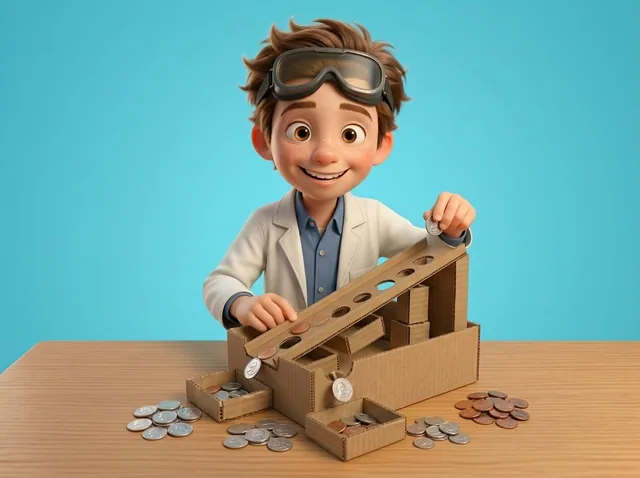
Cardboard Gravity Coin Sorter
Children discover physical sorting algorithms by using gravity and cut-out sizes to separate mixed coins automatically.
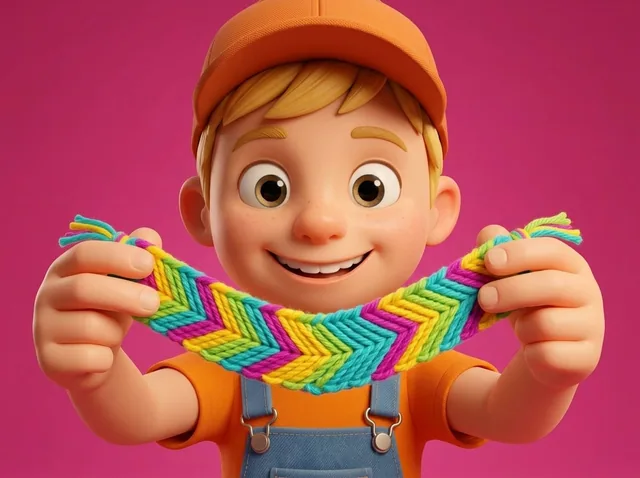
Chevron Friendship Bracelet
Knotting embroidery threads in a repeating pattern teaches sequencing and pattern-making, and rewards patience with a wearable stripey band.
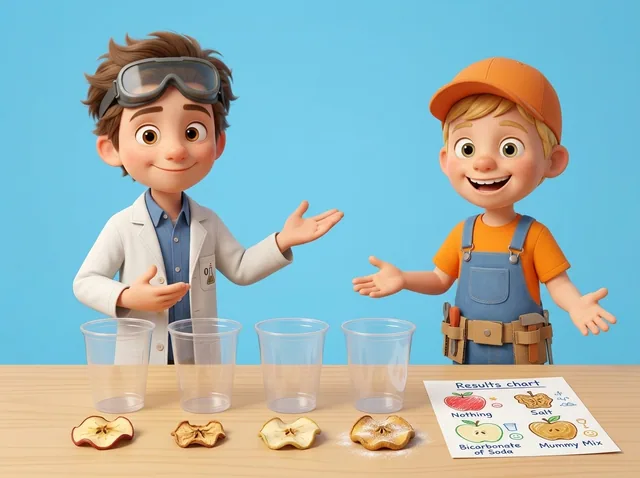
Mummified Apple Experiment
Children test how the ancient Egyptians preserved mummies by burying apple slices in salt and bicarbonate of soda for a week. The salts draw water out of the apple, and without water the things that cause rot cannot grow. It is a real fair test with measuring and recording.
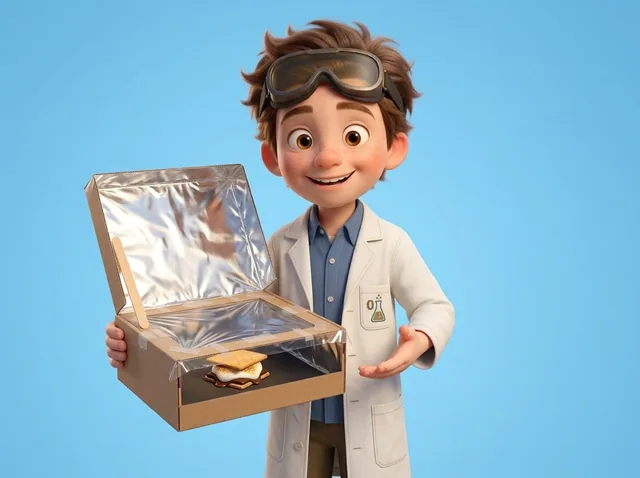
Shoebox Solar Oven
Children explore renewable solar energy and heat absorption by building a simple oven that traps light and converts it into thermal energy. This introduces fundamental thermodynamic concepts such as insulation, reflection, and radiation in a delicious, hands-on way.

Binary Code Name Bracelet
Threading two colours of bead in patterns of eight shows how computers store every letter as a secret code of just two symbols. Children discover that ones and zeros can spell out anything, including their own name.
 🔒 Premium
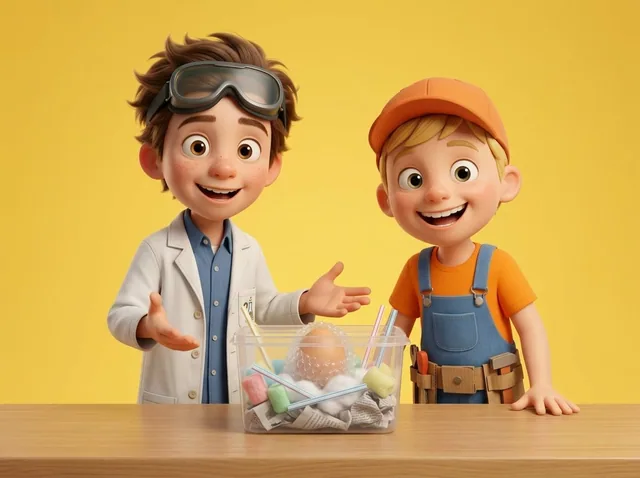
Egg-Drop Challenge
Cushioning and slowing a fall (forces and impact) to protect a fragile object.
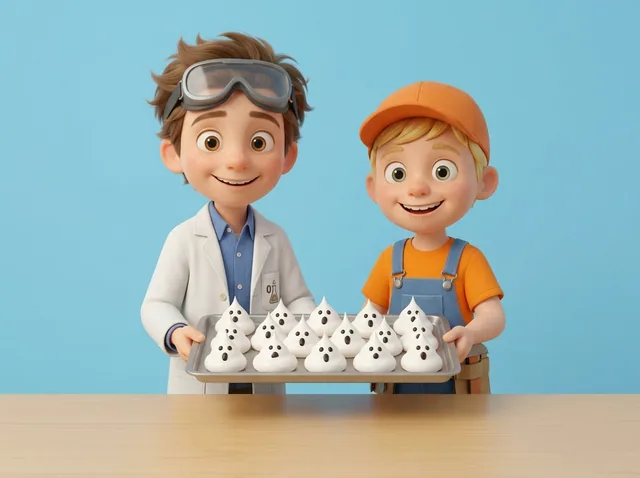
Crispy Meringue Ghosts
Whisking egg whites traps thousands of tiny air bubbles, and sugar holds them in place so the foam stands in ghostly peaks. Slow baking dries the foam into a crisp shell. Children see a liquid turn into a foam and then a solid.
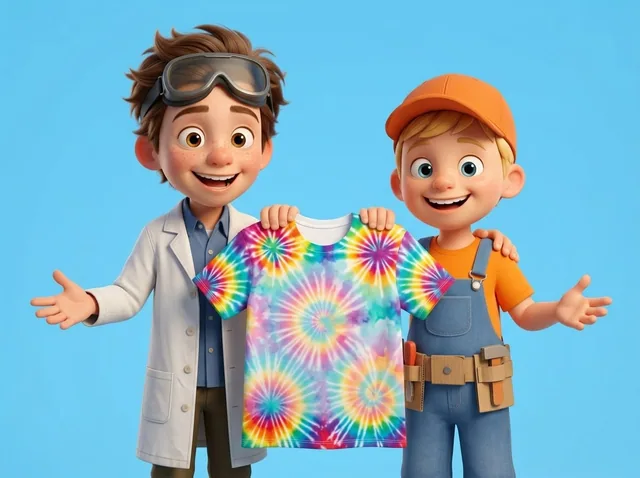
Marker-Pen Tie-Dye Shirt
Watching marker ink spread through fabric with a splash of rubbing alcohol shows how liquids carry colour along fibres, making swirling firework patterns.
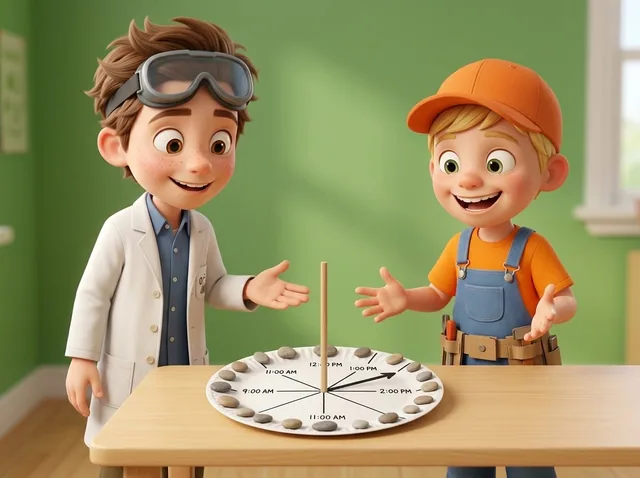
Simple Sundial
The sun moves across the sky, so shadows move too — you can tell the time by them.
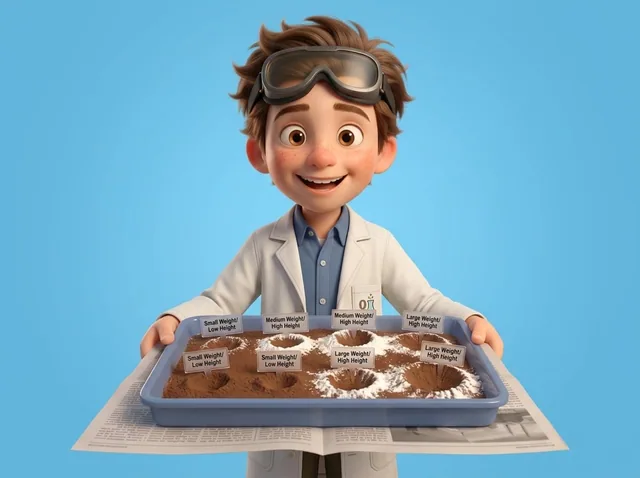
Moon-Crater Impact Tray
Dropping balls into a tray of flour shows how meteorites smashing into the Moon made its craters, and lets you test how the size and drop height of a space rock changes the crater it leaves.
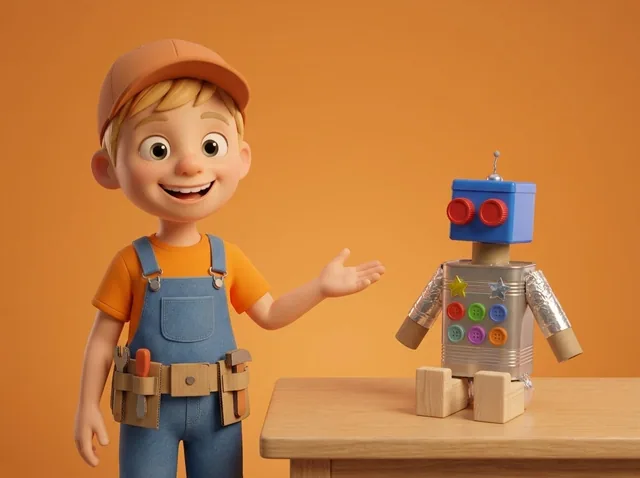
Junk Robot
Design and imagination - planning a build from the parts you have.
 🔒 Premium
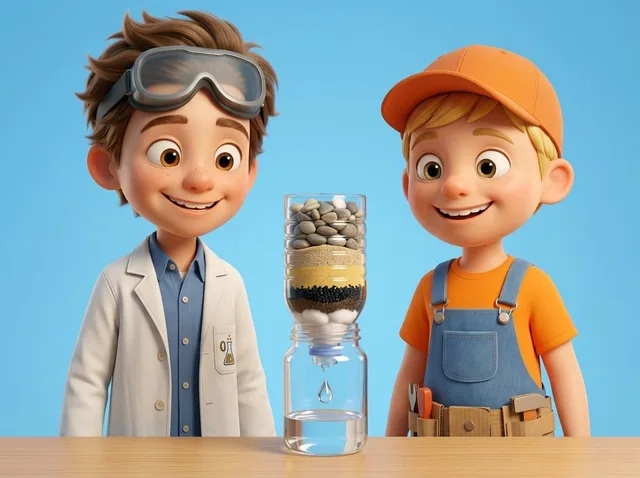
Water Filter from a Bottle
Filtering removes bits from dirty water; layers trap different sizes of dirt (but don't make it safe to drink).
 🔒 Premium
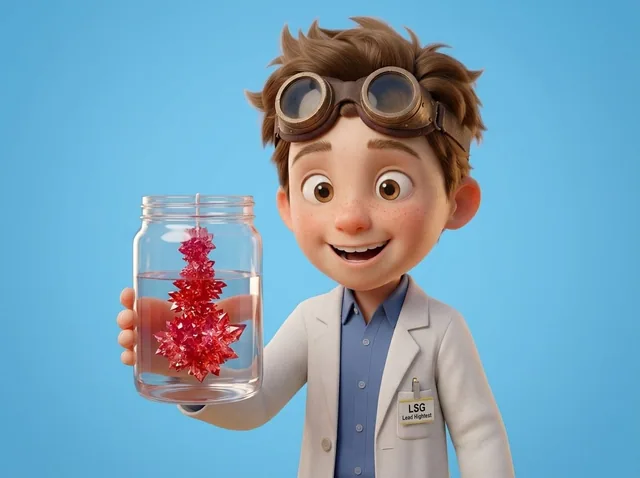
Salt or Sugar Crystal Garden
Dissolving, saturation and evaporation - crystals form as water leaves behind the salt or sugar.
 🔒 Premium
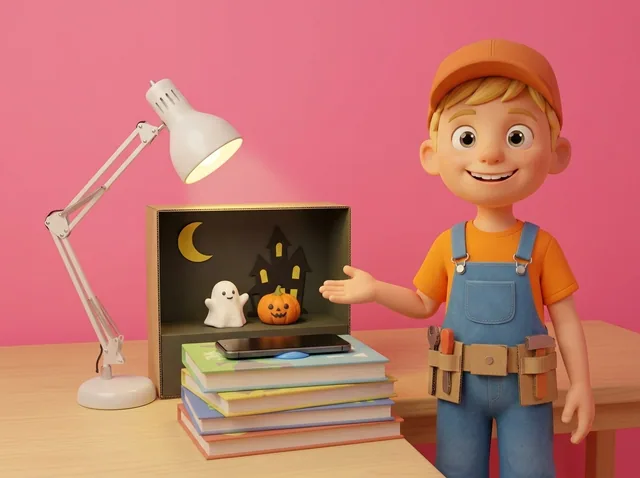
Ghost Story Stop-Motion
Moving a model ghost a tiny bit between each photo and then playing the photos quickly creates the illusion of movement, the same trick used in animated films. Children plan a short story, practise patience and learn how frames per second work.
 🔒 Premium
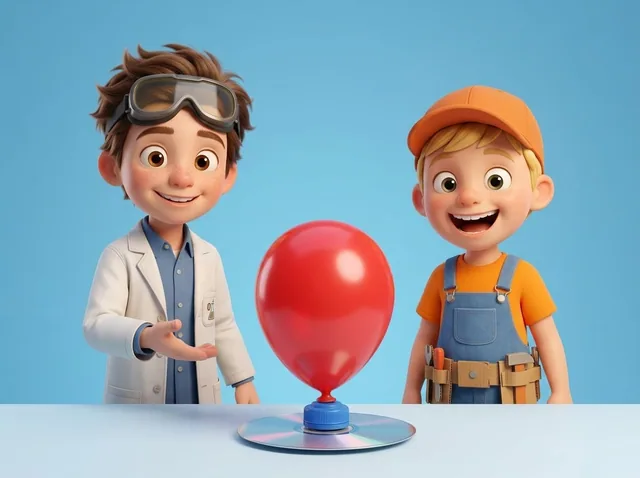
Balloon Hovercraft
A cushion of escaping air reduces friction, so the disc glides almost freely.
 🔒 Premium
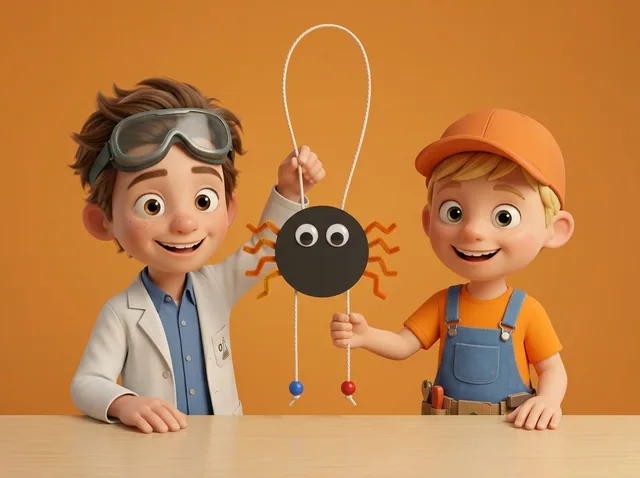
Climbing Spider String Toy
Pulling the strings one at a time makes the spider climb because the angled straws grip the string with friction on one side and slide freely on the other. It is a hands-on way to explore forces, friction and angles.
 🔒 Premium
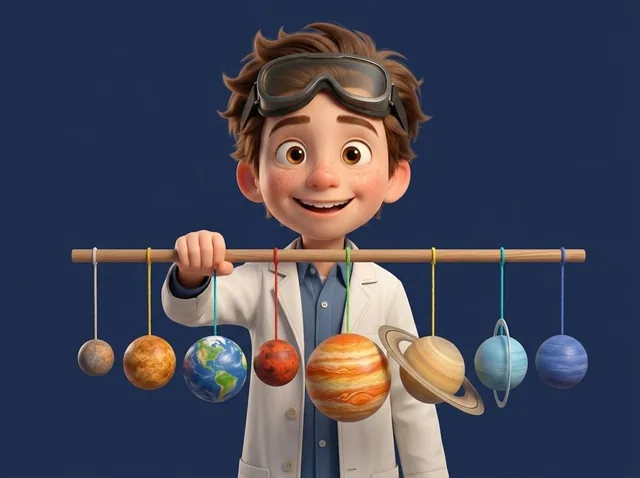
Hanging Planet Mobile
Painting the eight planets in order and hanging them by size helps you picture the real Solar System, and shows that the planets are hugely different in size and distance from the Sun.
 🔒 Premium
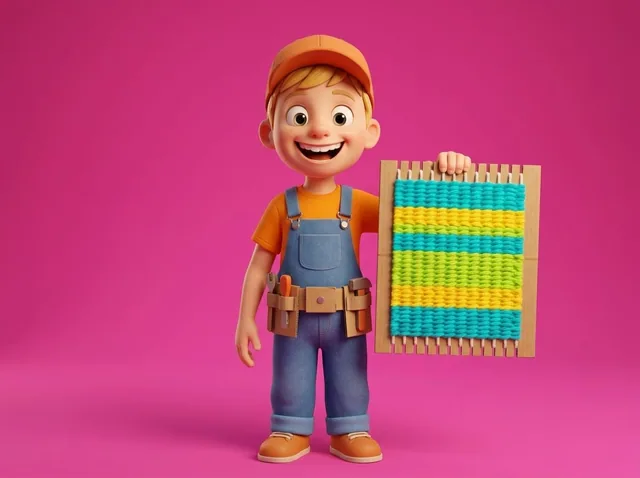
Cardboard-Loom Woven Mat
Weaving over-and-under on a homemade loom teaches the basic structure of all woven cloth and builds rhythm, focus and fine motor control.
 🔒 Premium
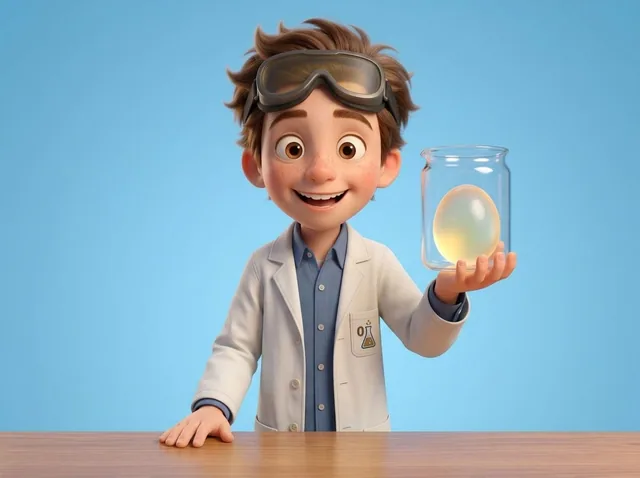
Naked (Rubber) Egg
Vinegar (an acid) dissolves the hard shell, leaving the bendy membrane - and the egg swells as water moves in (osmosis).
 🔒 Premium
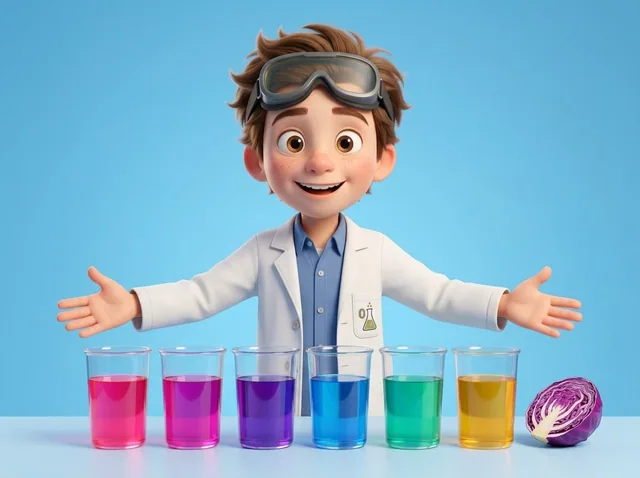
Red Cabbage Colour Changer
Red cabbage juice is a natural indicator - it turns pink in acids and blue/green in alkalis.