Activities and crafts for 5-year-olds
At five, children can follow a short run of steps and are starting to ask why things happen. These projects mix simple junk models with first science experiments: things that fizz, float, roll and fly. Each one has pictures for every step, so a five-year-old can see what comes next.
41 projects to try
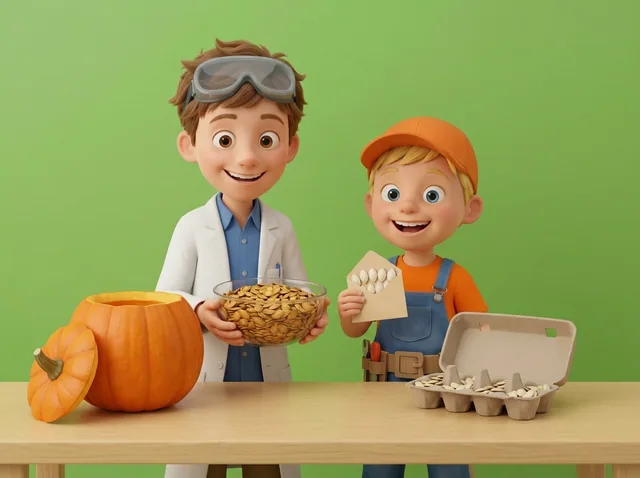
Pumpkin Seed Scientists
Scooping out a pumpkin becomes a science lesson: guess how many seeds are inside, count them in tens, test which ones sink or float, and save some to grow next spring. It covers estimating, counting and how plants make seeds.
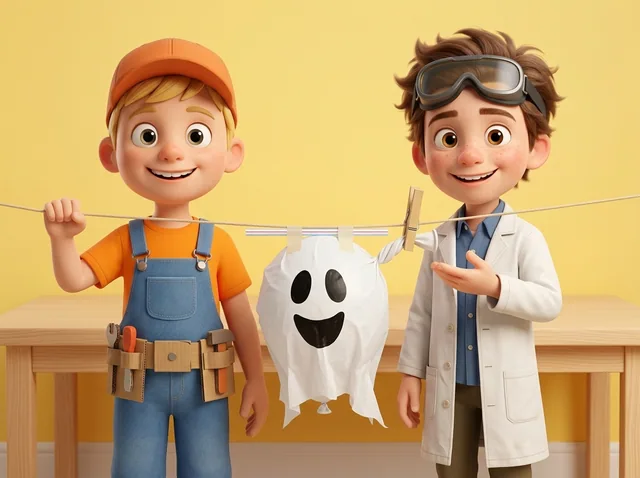
Balloon Ghost Zip Line
When air rushes out of the back of the balloon, it pushes the ghost forward along the string. That is Newton's third law in action: every push has an equal push the other way, the same idea that launches real rockets.
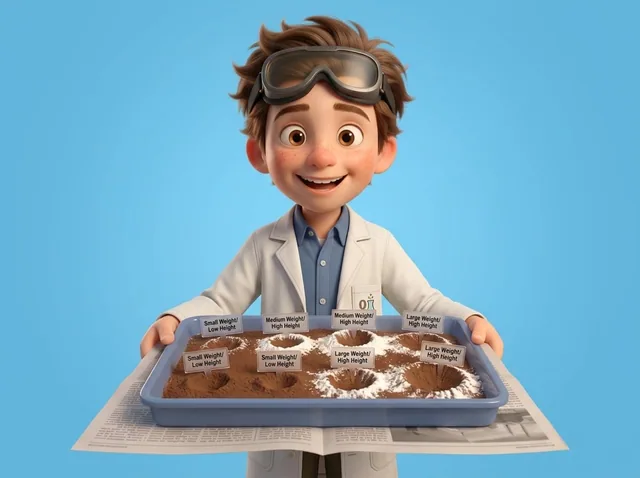
Moon-Crater Impact Tray
Dropping balls into a tray of flour shows how meteorites smashing into the Moon made its craters, and lets you test how the size and drop height of a space rock changes the crater it leaves.
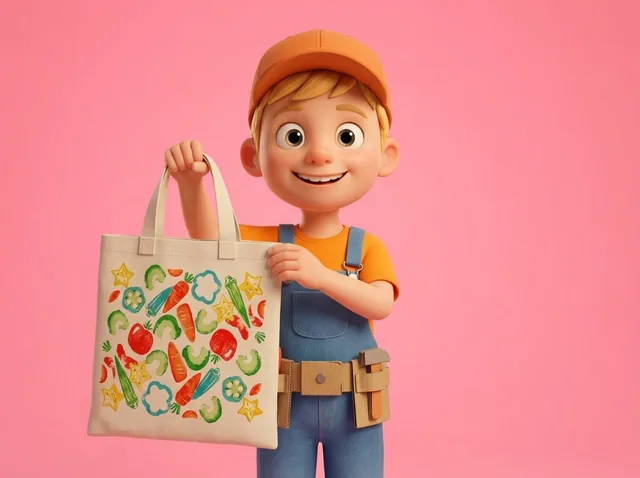
Vegetable-Print Tote Bag
Dipping cut vegetables in fabric paint and stamping them shows how a shape can be printed again and again, and reveals the surprising patterns hidden inside everyday veg.
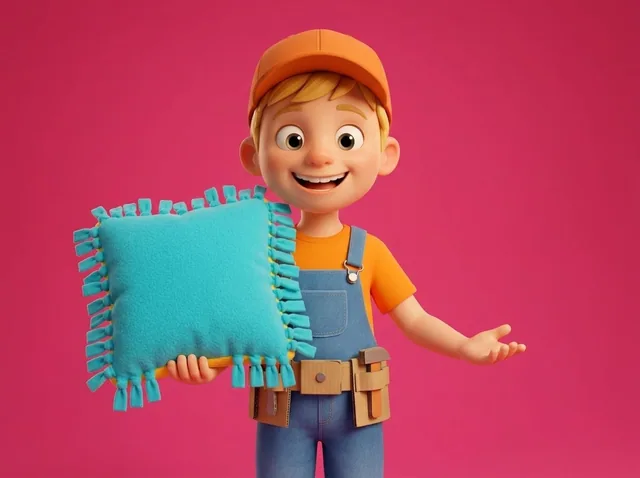
No-Sew Knotted Fleece Cushion
Tying fringes into knots to join two layers shows how fabric can be fastened without any sewing at all, and builds neat, patient finger work.
 🔒 Premium
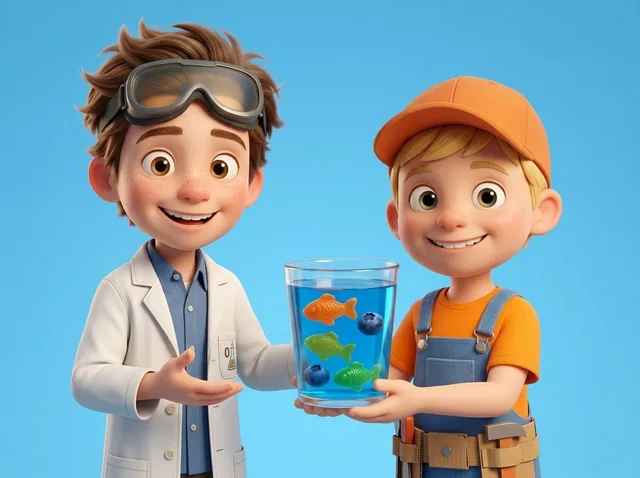
Under-the-Sea Jelly Aquarium
Making jelly shows how a warm liquid sets into a wobbly solid as it cools, and suspending fruit 'fish' introduces the idea of setting things in layers.
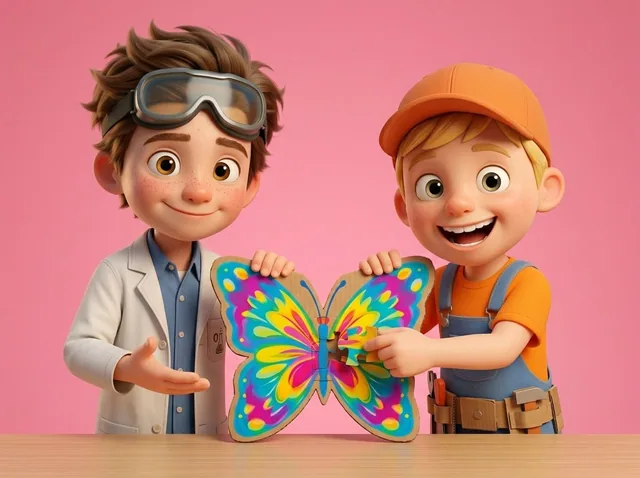
Symmetry Butterfly Puzzle
Making a butterfly whose wings match exactly teaches line symmetry, where one half mirrors the other. Recognising patterns and mirror images is an important part of maths and visual problem-solving.
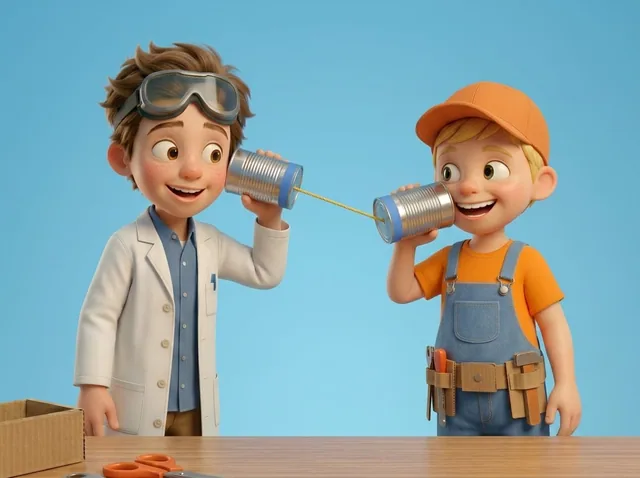
Tin-Can Telephone
Sound travels as vibrations along the tight string from one cup to the other.
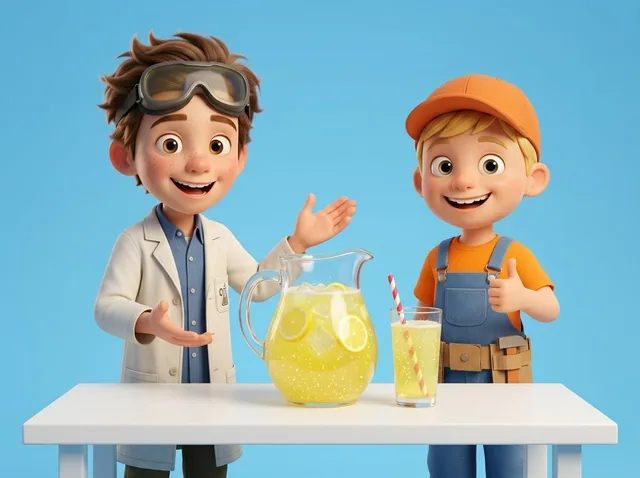
Homemade Fizzy Lemonade
Baking soda reacts with the lemon's acid to make bubbles — you're carbonating your own drink.
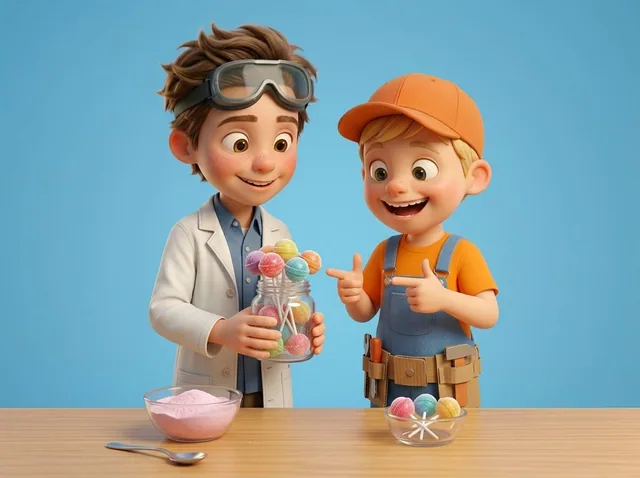
Fizzy Sherbet Sweets
Citric acid and baking soda are dry until they hit the wet on your tongue — then they fizz (that same gas reaction!).
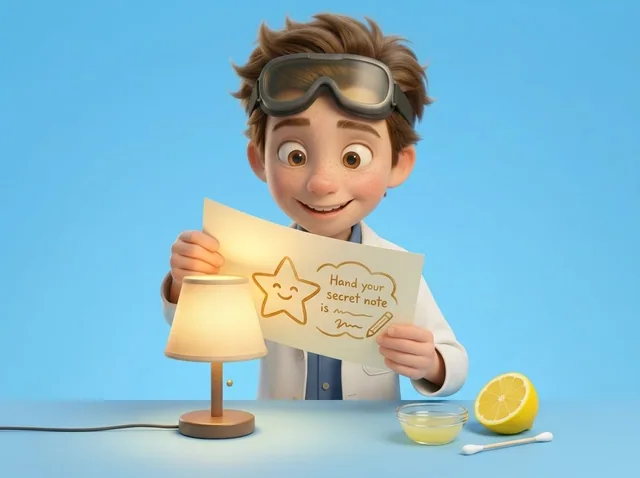
Invisible Lemon Ink
Lemon juice browns faster than plain paper when warmed, revealing the writing - a gentle heat reaction.
 🔒 Premium
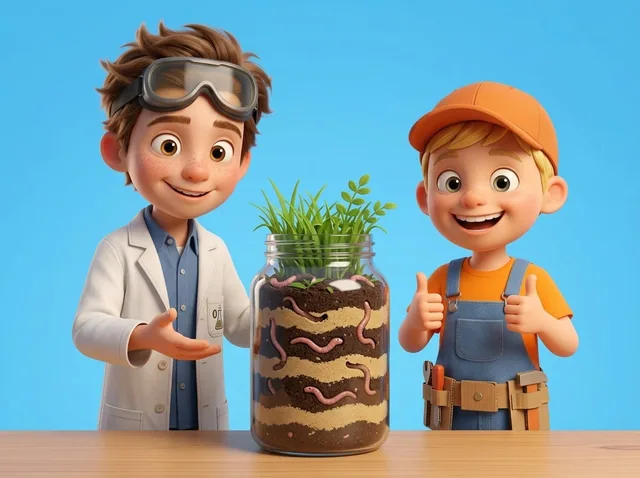
Wormery in a Jar
Worms mix and tunnel through soil — you can watch them build layers and help the garden.
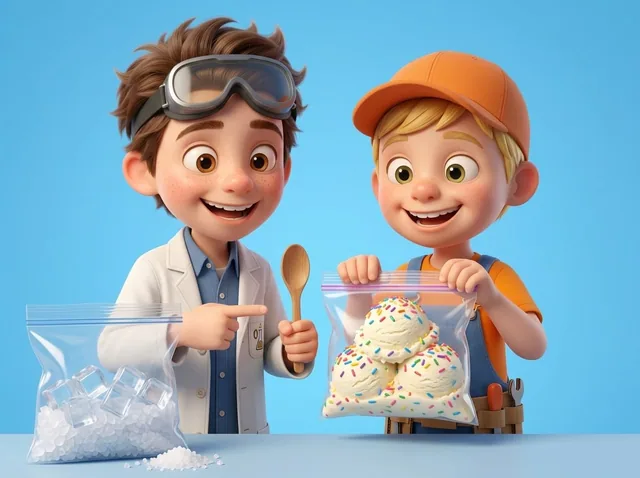
Ice Cream in a Bag
Salt makes ice melt at a colder temperature, pulling heat from the cream so it freezes.
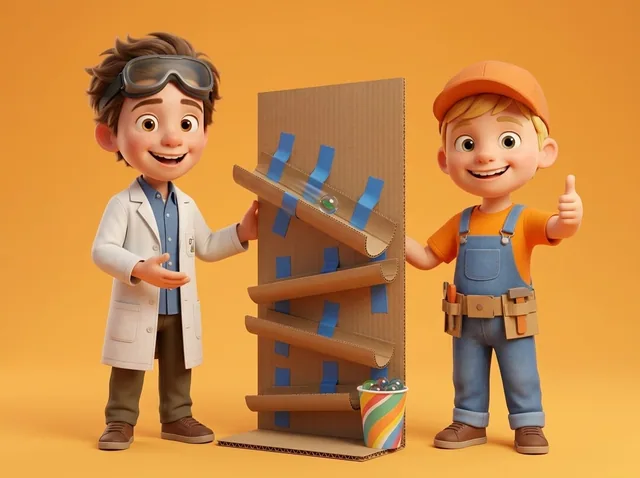
Cardboard Marble Run
Gravity, slopes and speed - steeper ramps make the marble go faster.
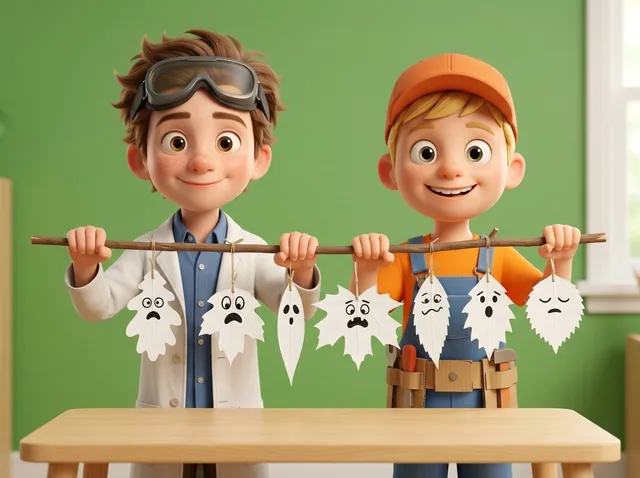
Fallen Leaf Ghost Parade
A leaf hunt becomes a ghost-making session, with each leaf's shape suggesting a different character. Children sort and compare leaves, learn to name a few trees and notice why leaves fall in autumn.
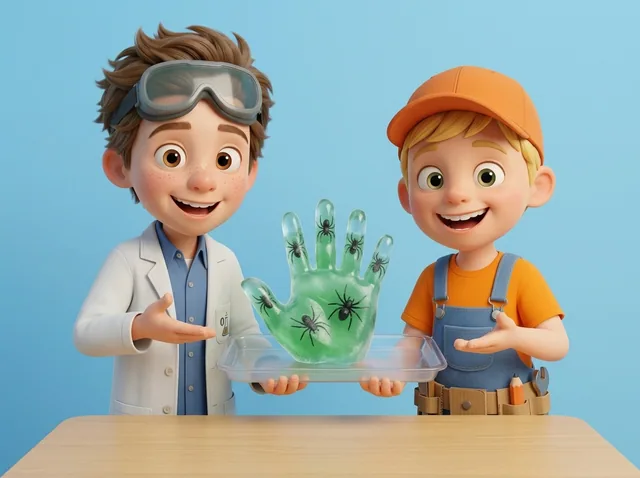
Frozen Monster Hand Rescue
Children rescue toy spiders trapped in a frozen monster hand, finding out that salt and warm water melt ice faster than cold water. It is a sensory way to explore melting, temperature and testing ideas.
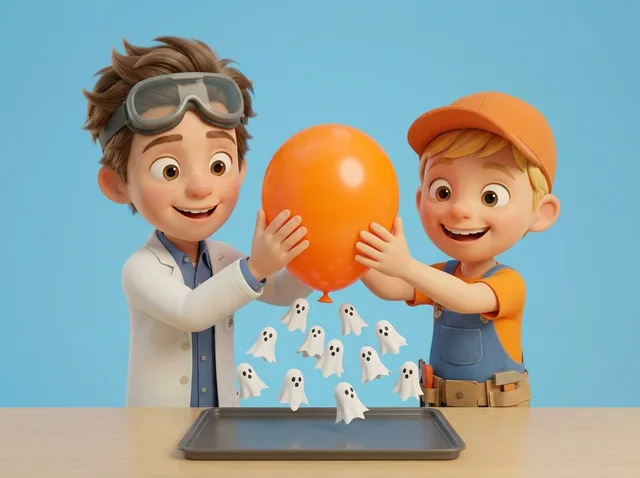
Dancing Tissue Ghosts
Rubbing a balloon on hair or a woolly jumper builds up static electricity, which pulls the tiny tissue ghosts up off the table so they seem to rise and dance on their own.
 🔒 Premium
Bread in a Bag
Yeast is alive — it eats sugar and burps gas that makes the dough rise.
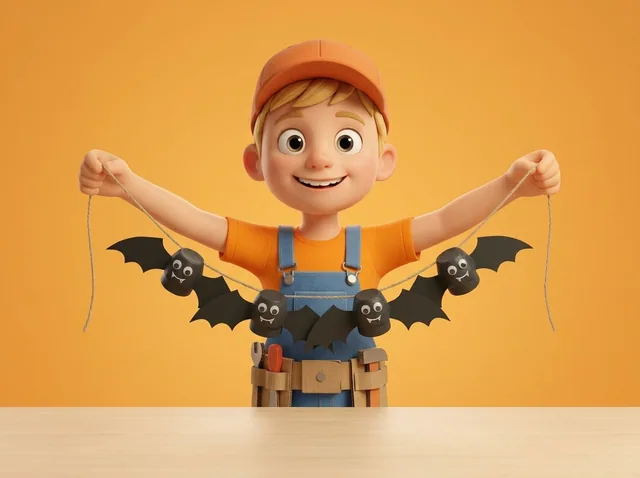
Egg Box Bat Garland
Cutting and painting egg box cups builds scissor control, and making matching wings on both sides is a simple lesson in symmetry. It is also a chance to learn how real bats find their way in the dark using echoes.
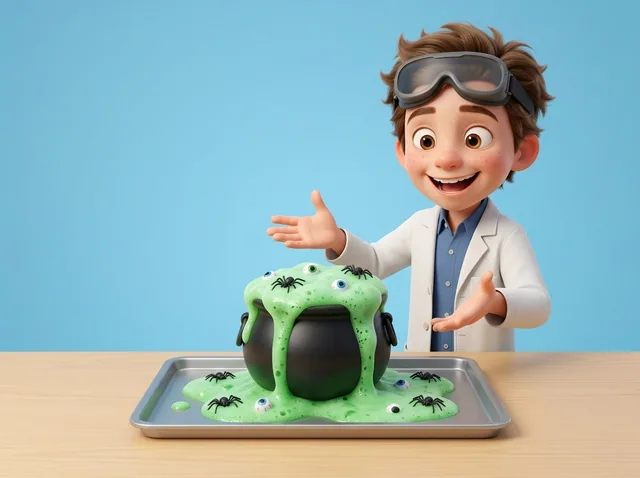
Bubbling Cauldron Potion
Mixing bicarbonate of soda with vinegar makes a gas called carbon dioxide, and a squirt of washing-up liquid traps it in bubbles so the potion foams up and over the cauldron like a witch's brew.
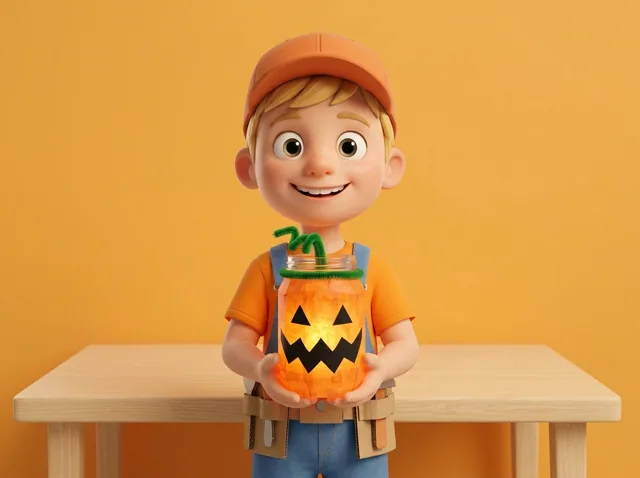
Glowing Jack-o'-Lantern Jar
Turns an empty jam jar into a pumpkin lantern and shows the difference between translucent materials, which let light glow through, and opaque ones, which block it and make the face shapes.
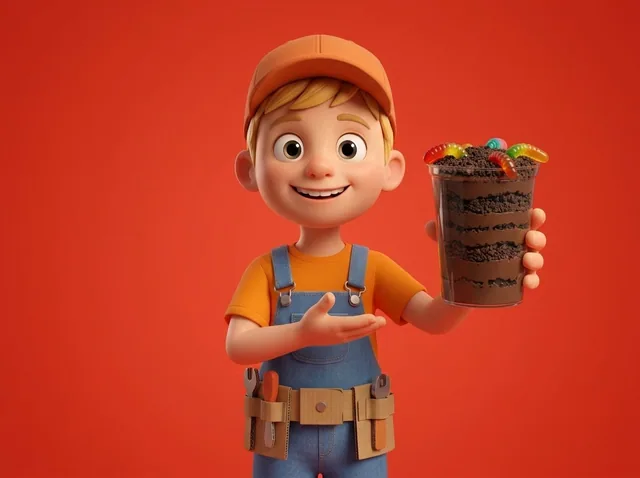
Layered Edible Worm Cup Parfait
Young children practice fine motor layering, counting, and simple culinary assembly skills.
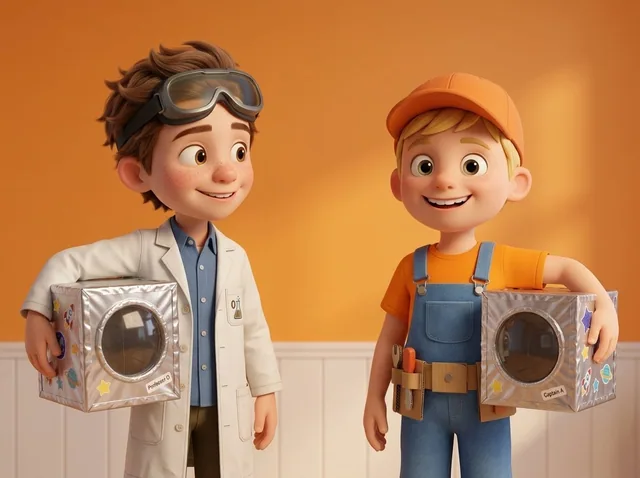
Astronaut Helmet
Making a wearable helmet from a box teaches you why real astronauts need a sealed helmet to breathe and stay safe in space, where there is no air.
 🔒 Premium
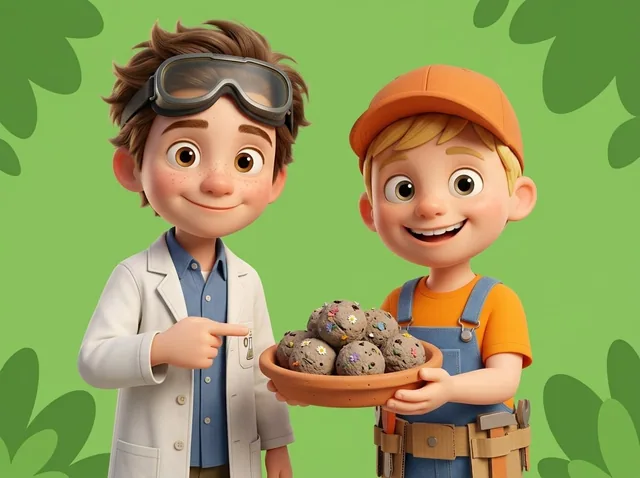
Seed Bombs
Wildflower seeds wrapped in soil can be planted with a throw — and help bees and butterflies.
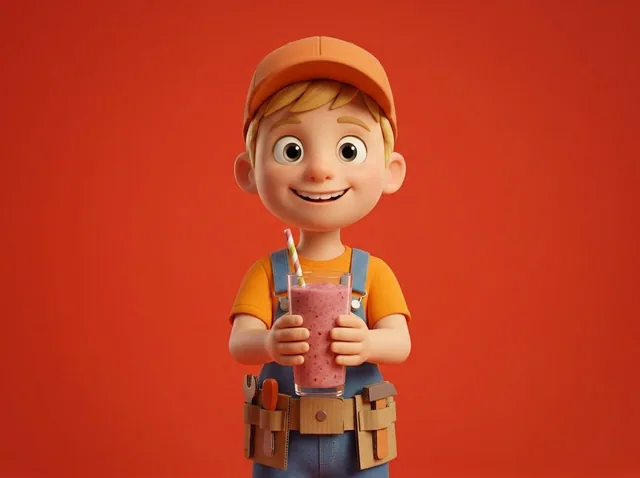
Sunshine Berry Smoothie
Measuring and blending shows how separate ingredients mix into something new, and tasting as you go teaches children to balance sweet and tangy flavours.
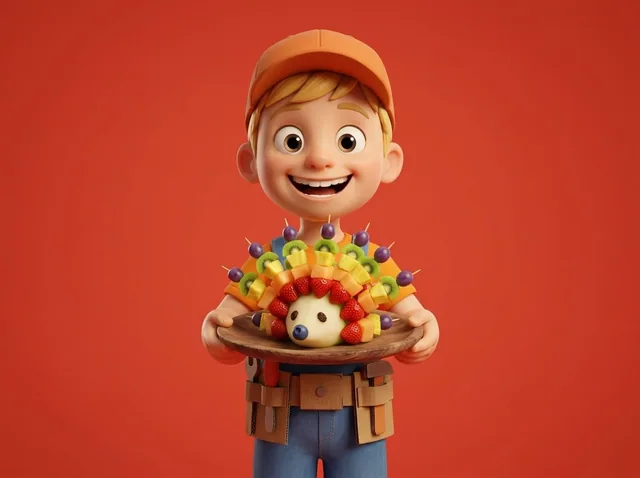
Rainbow Fruit Hedgehog
Arranging fruit by colour teaches sorting and pattern-making, and building an edible animal makes trying new fruits feel like play rather than a chore.
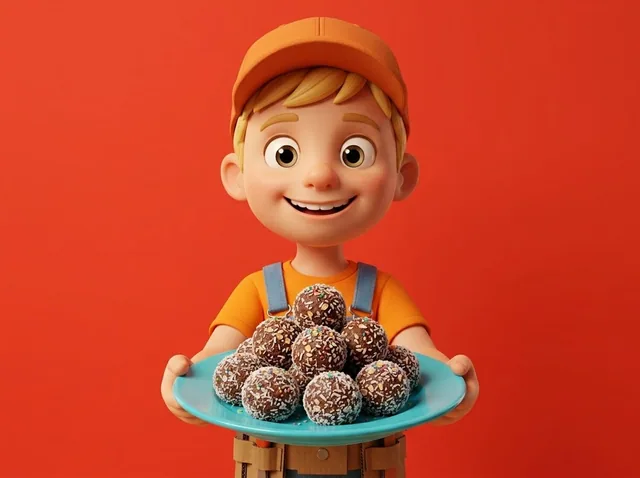
No-Bake Cocoa Energy Balls
Rolling and measuring builds hand strength and early maths, and children see how sticky oats and honey bind a mixture together without any cooking.
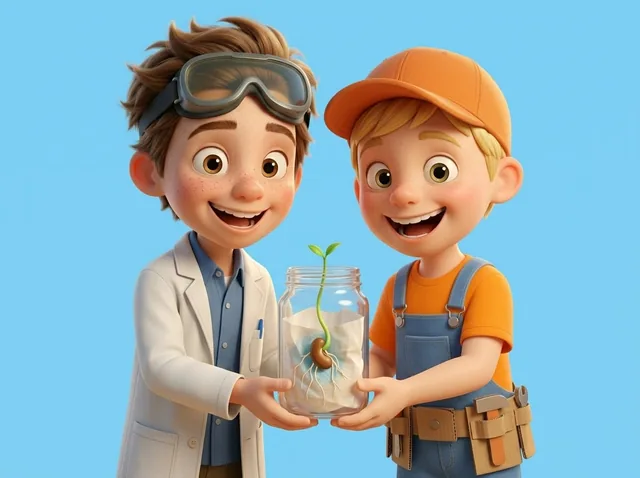
Bean in a Jar
Seeds sprout roots and shoots — you can watch a plant begin, up close.
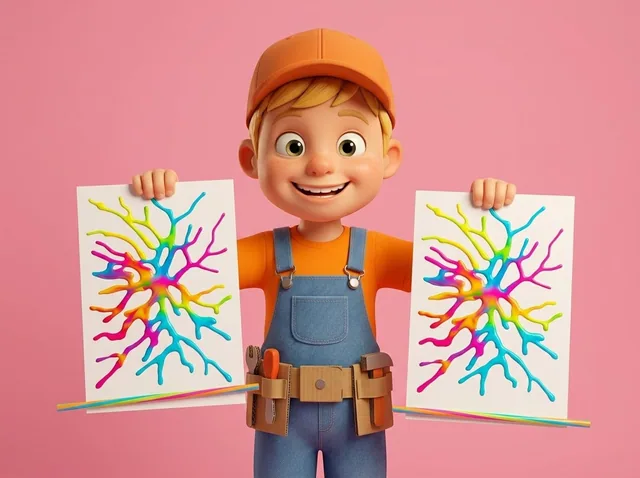
Blow-Straw Painting
Moving air pushes the runny paint into branching, spidery shapes.
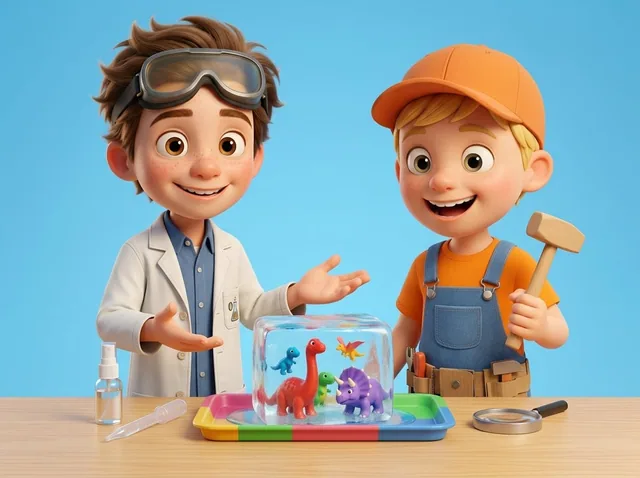
Ice Excavation Rescue
Warm water, salt and gentle tools all speed up melting — salt lowers the temperature ice melts at.
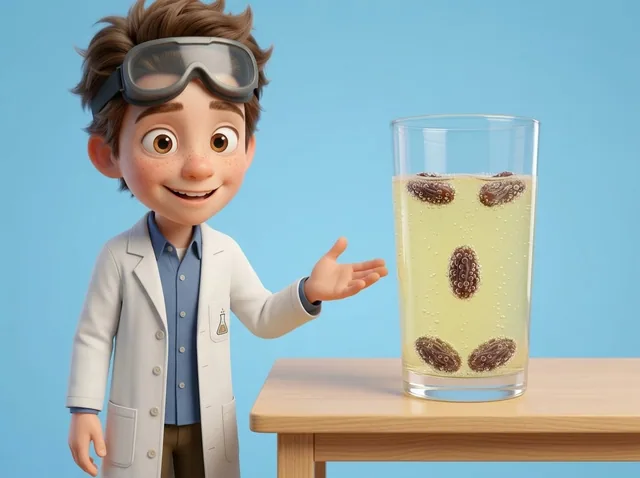
Dancing Raisins
Fizzy bubbles cling to the rough raisins and lift them up; at the top the bubbles pop and they sink - over and over.
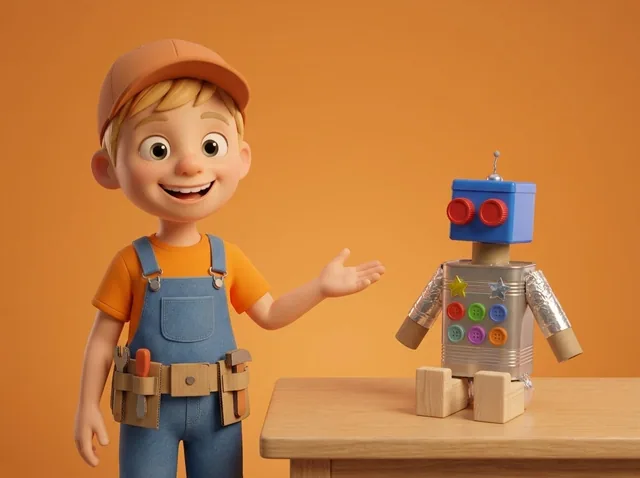
Junk Robot
Design and imagination - planning a build from the parts you have.
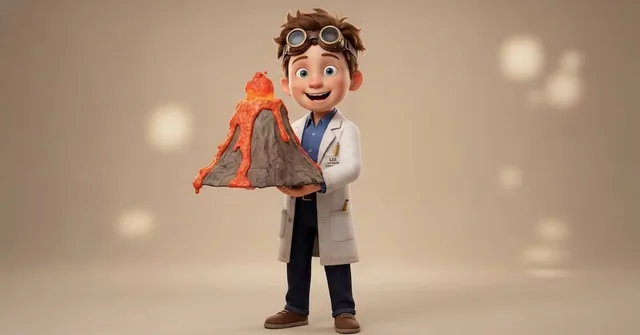
Bottle-Top Volcano
A chemical reaction: an acid (vinegar) and a base (baking soda) make carbon dioxide gas, which is the fizzy foam.
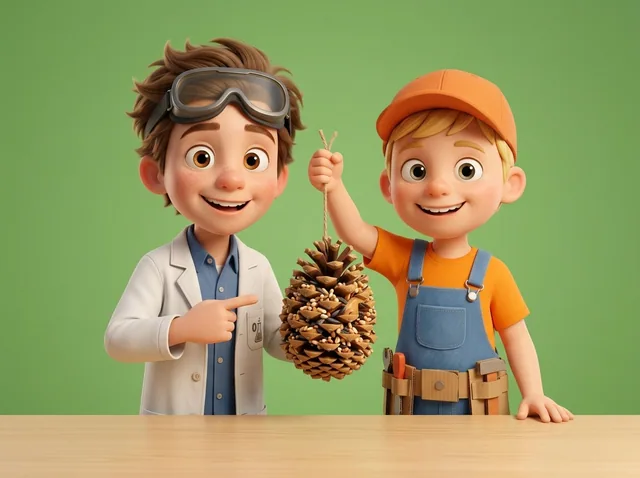
Pinecone Bird Feeder
Birds need high-energy food, especially in cold weather — you can help feed your local birds.
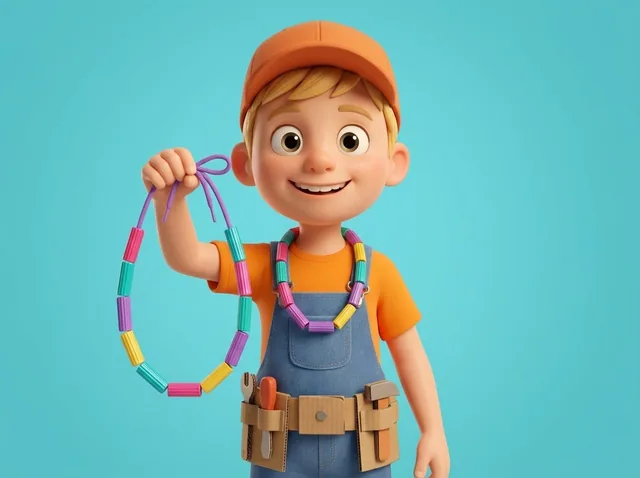
Threading Pasta Necklaces
Threading tube pasta onto a lace is brilliant for hand-eye coordination and patience, and lining up colours in a repeating pattern is an early step towards understanding sequences and maths.
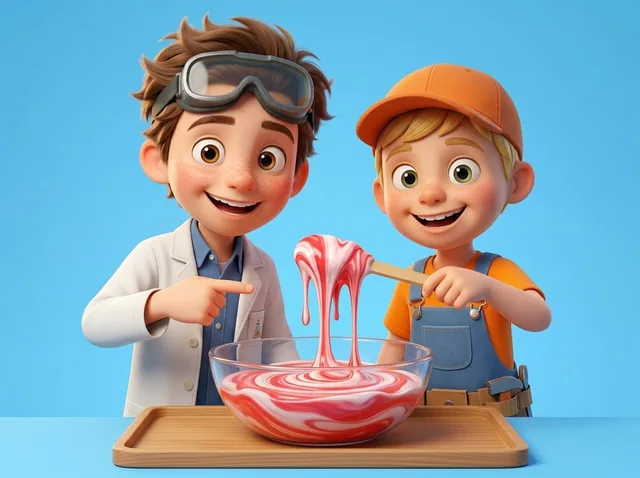
Magic Cornflour Gloop
Gloop is a wonderfully strange mixture that feels solid when you press it fast but runs like liquid when you hold it gently, giving children a first, hands-on taste of how materials can behave in surprising ways.
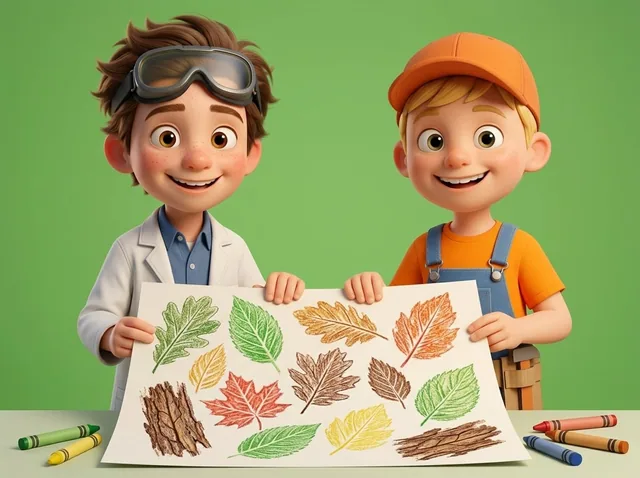
Leaf & Bark Rubbings
Rubbing reveals the hidden textures — veins on leaves, ridges on bark.
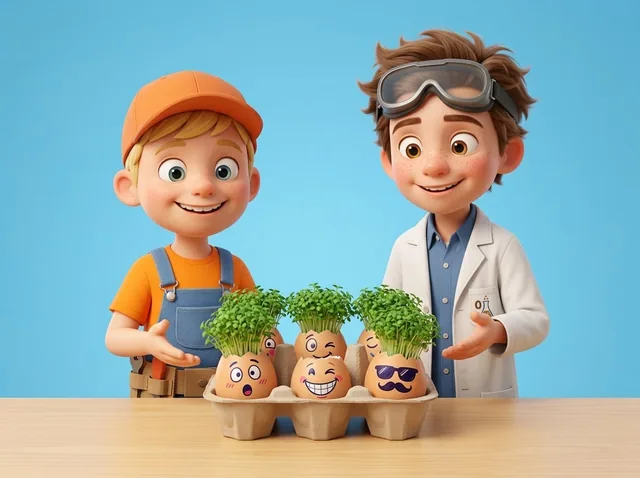
Eggshell Cress Heads
Seeds need only damp cotton and light to sprout — and cress grows fast enough to watch.
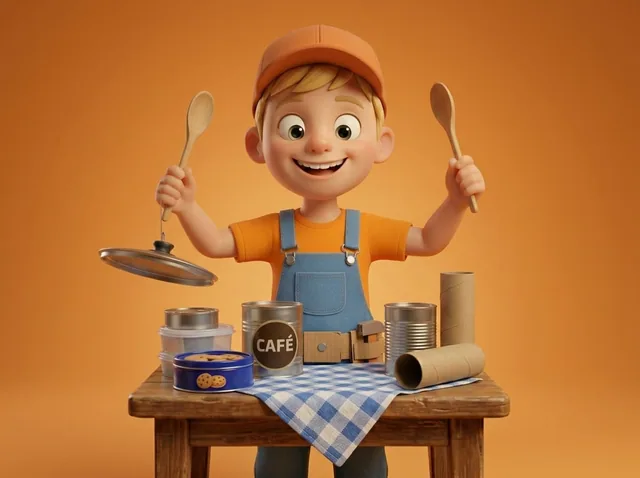
Junk Drum Kit
Different containers make different sounds — big and hollow is deep, small and tight is sharp.
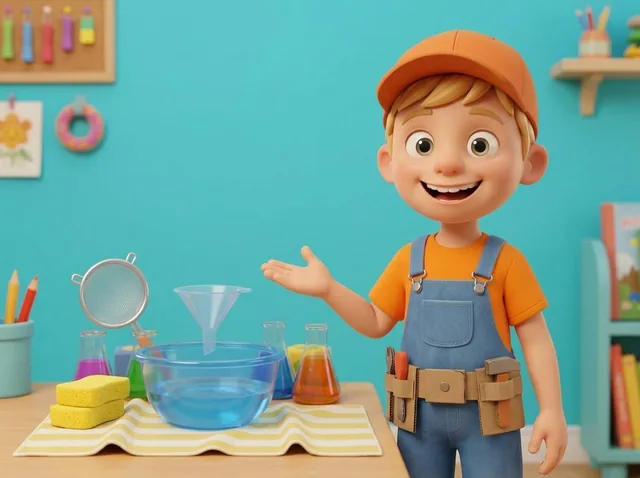
Water Pouring Station
Pouring water between cups and jugs builds coordination and steady hands, and it gives a first feel for ideas like full and empty, floating and sinking, and how water moves.
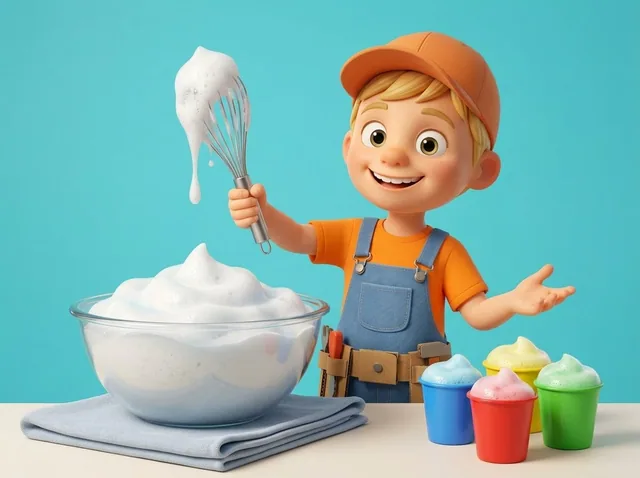
Bubble Foam Whisking Station
Whisking water and soap into a mountain of foam is fantastic for building arm and wrist strength, and scooping and squishing the fluffy bubbles is a soft, gentle sensory experience for even the littlest players.